


 Roof catalog
 Manual
 Betek catalog




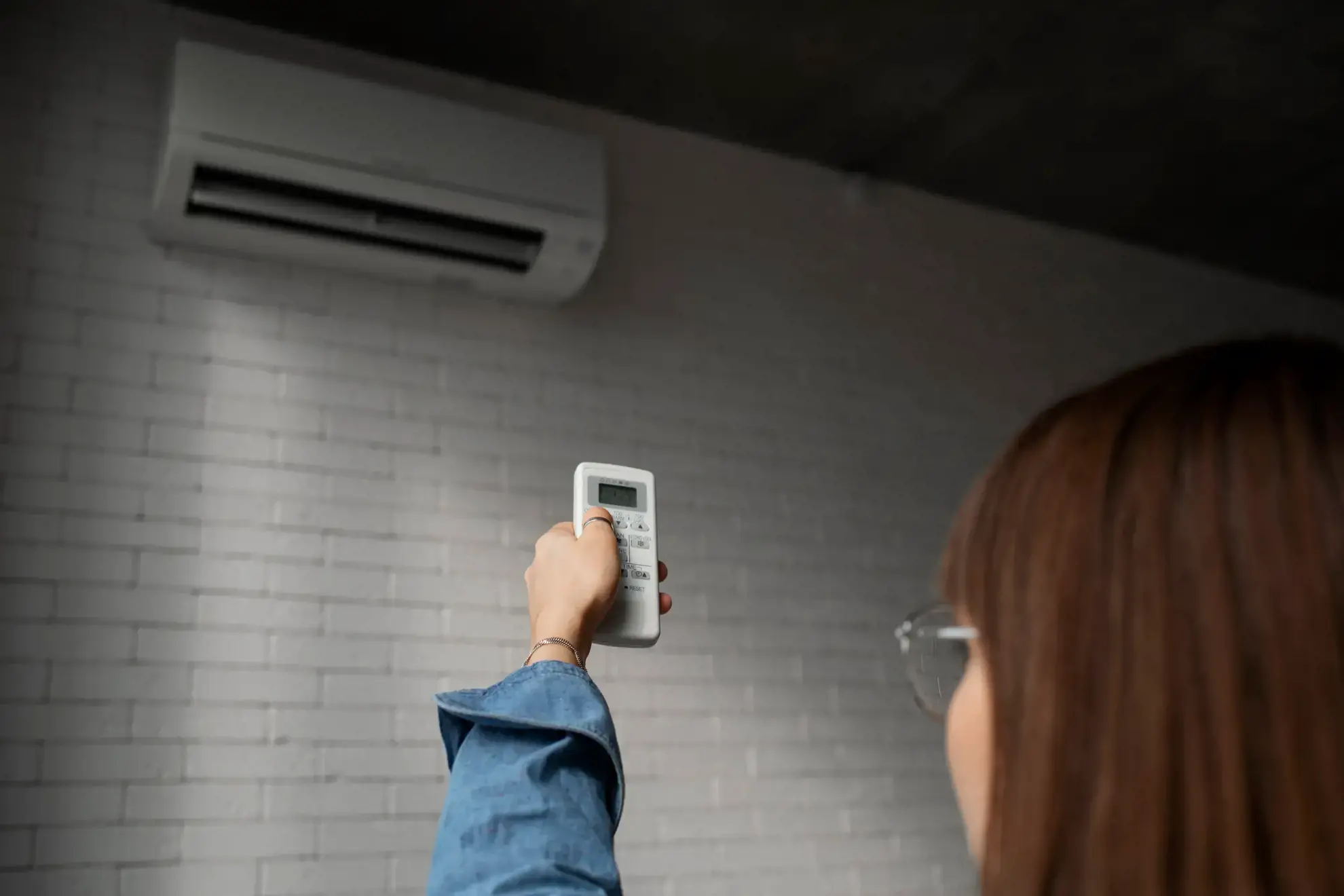
When purchasing an air conditioner, we often focus entirely on the brand and technical specifications. However, one crucial factor is sometimes overlooked: installation quality. A study by the U.S. Department of Energy found that up to 90% of newly installed systems failed to operate at their rated capacity due to improper installation.
This means the system consumes excess energy, its components wear out prematurely, and in some cases, leaks can occur, causing damage to the home.
Mistake #1: Incorrect Capacity Selection
Installers very often miscalculate the required capacity of an air conditioner. They tend to assume that the unit’s capacity should be determined solely based on the room’s floor area, which is an incorrect approach.
In reality, the capacity should be calculated by considering wall and ceiling insulation, building airtightness, regional climate conditions, humidity levels, and the orientation of the space.
An oversized air conditioner will cool the room quickly, but its compressor will shut off too soon and won’t have enough time to remove humidity from the air. As a result, the indoor environment will feel uncomfortable.
On the other hand, an undersized unit will run continuously at maximum capacity, still fail to cool the space effectively, consume excessive energy, and wear out much faster.
Mistake #2: Damaged Ductwork
Often, a new air conditioner is connected to existing ductwork without checking its condition. This is a major mistake, as damaged ducts can significantly reduce the efficiency of the new system.
If the ducts are compromised, up to 20% of the cooled air can be lost before it even reaches the room. Therefore, before installing a new air conditioner, the condition of the ductwork should be carefully inspected and, if necessary, the ventilation system should be replaced.
In addition, damaged ducts can accumulate dust, mold spores, and other contaminants, which then spread throughout the space and pose potential health risks.
Mistake #3: Improper Drainage System Installation
During operation, an air conditioner removes a significant amount of moisture from the air, which turns into water—known as condensate. An improperly installed drainage system can cause this water to accumulate, potentially leading to damage to walls and ceilings, the spread of mold, and unpleasant odors.
The solution to this problem is a properly designed drainage system. First of all, the drain pipe must have sufficient slope to allow water to flow out of the system effectively.
Most importantly, the system should include an emergency shut-off switch. This small device automatically turns off the air conditioner if the drain line becomes clogged or if a leak is detected.
Mistake #4: Incorrect Thermostat Placement
The efficiency of an air conditioner is also influenced by the location of the thermostat. If it is installed under direct sunlight or near other heat sources—such as lamps or televisions—it can heat up artificially and register a higher temperature than the actual room temperature. As a result, the air conditioner will run at a higher capacity and for longer than necessary.
Ideally, the thermostat should be placed in a central, frequently used area, such as the living room. In such a location, air circulates well, allowing the thermostat to measure the average temperature of the entire space rather than that of an isolated corner or hallway.
Mistake #5: Placing the Outdoor Unit in Direct Sunlight
The outdoor unit of a wall-mounted air conditioner expels heat from the indoor space and releases it into the outside air. If the unit is placed under direct sunlight, the surrounding air becomes excessively hot. This makes it difficult for the system to efficiently release heat, as the already hot air cannot absorb much more heat.
As a result, the system has to run much longer to gradually remove heat from the indoor space.
To avoid this issue, the outdoor unit should be installed on the side of the building that remains shaded, even during the hottest part of the day. If this is not possible, creating artificial shade—for example, with a protective canopy—can be an effective solution.
Mistake #6: Incorrect Refrigerant Level
The required amount of refrigerant in an air conditioner is specified by the manufacturer and should remain constant. If the level drops, it usually indicates a leak somewhere in the system. In such cases, simply adding more refrigerant is not a proper solution—the leak must be identified and repaired.
Excess refrigerant can also damage the unit. Both insufficient and excessive levels reduce cooling efficiency and can cause the compressor to overheat and become overloaded, ultimately leading to system failure.
For this reason, a professional technician must accurately determine the correct refrigerant level rather than relying on guesswork.
Mistake #7: Insufficient Clearance for the Condenser
The outdoor unit requires a constant flow of air to dissipate heat effectively. Its fan draws air in from the sides, passes it through the system for cooling, and then expels hot air vertically.
For this reason, it is essential to maintain at least 60 cm of free space between the outdoor unit and any obstacles. If the unit is installed too close to surrounding objects, it will not receive sufficient airflow and will have to work harder to release heat.
Tips for High-Quality Installation
To ensure a high-quality installation, consider the following recommendations:
-
When choosing a technician, prioritize qualifications. Ask about their approach to key tasks such as capacity calculation, pipe connections, and refrigerant measurement. Clear, detailed, and confident answers are a good sign of competence.
-
Make sure the unit’s capacity is selected based on detailed analysis. Before installation begins, ask how the technician plans to determine the appropriate capacity. As discussed, this should include not only room size but also factors like window placement, insulation, and other specific conditions.
-
Pay attention to the materials used. For example, confirm that durable, specialized materials are used to seal ductwork instead of standard adhesive tape, which quickly loses effectiveness with temperature changes.
-
Avoid installing the air conditioner yourself. In addition to reduced performance, improper installation can pose serious safety risks.
Conclusion
Ultimately, the efficient performance of an air conditioner depends less on the brand and more on the quality of installation. Even the smallest details can have a significant impact on your comfort.
After selecting a high-quality air conditioner, it is essential to find a skilled professional for installation. Use the tips provided in this article to ensure that your investment is in reliable hands and will operate efficiently for years to come.