




 Roof catalog
 Manual
 Betek catalog



Vacuum Cleaner
Sort by:
21 Products found
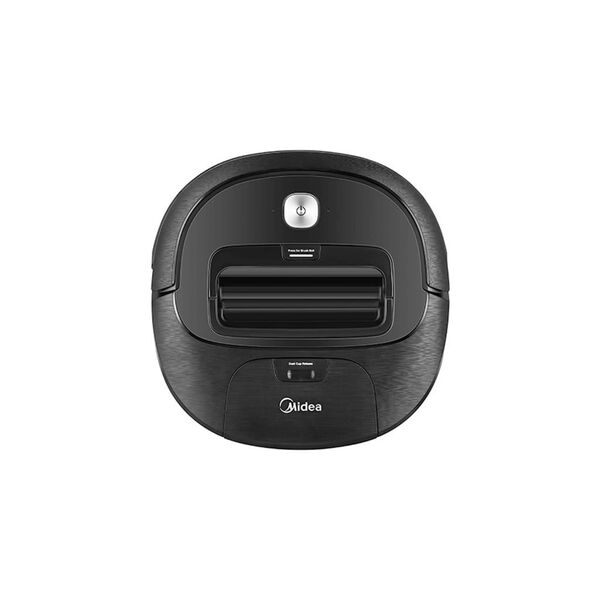


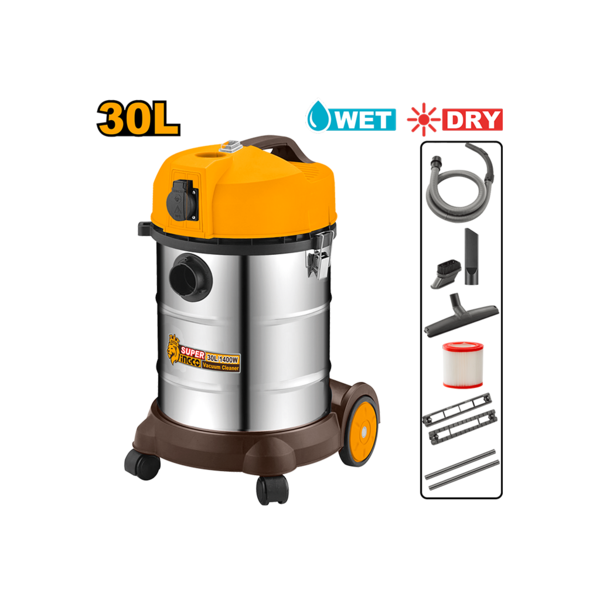

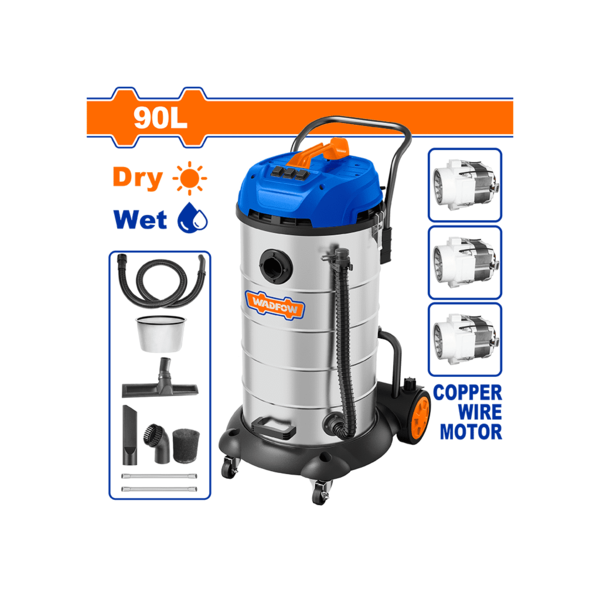
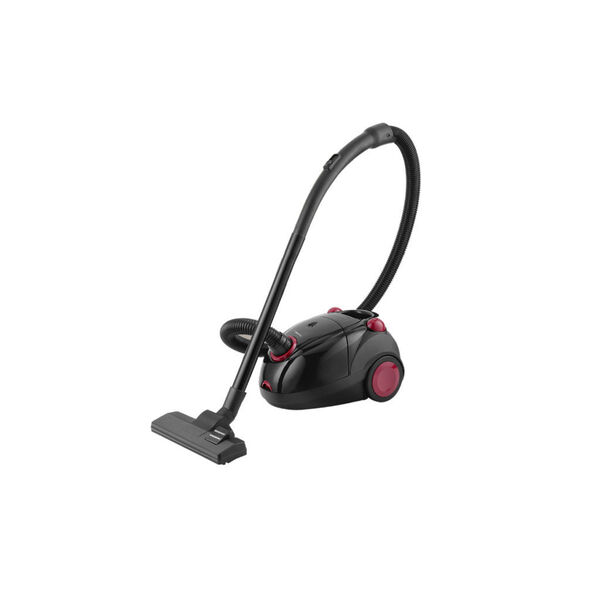
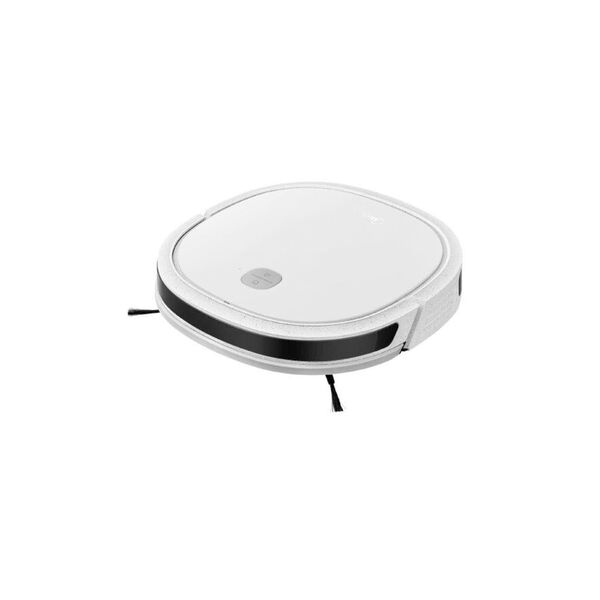

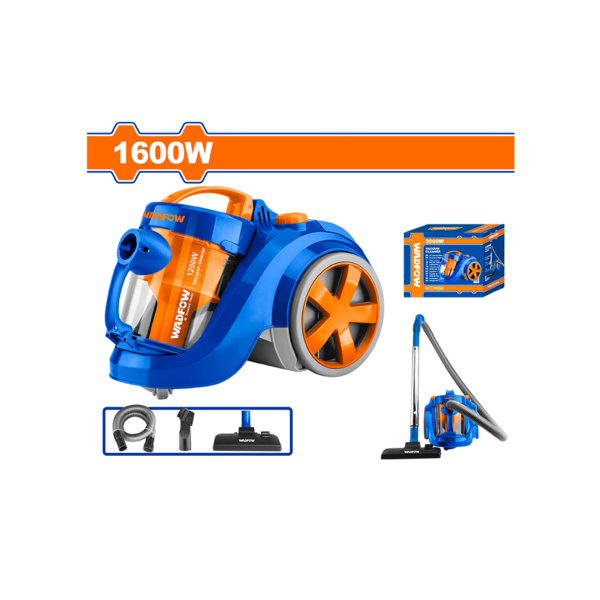

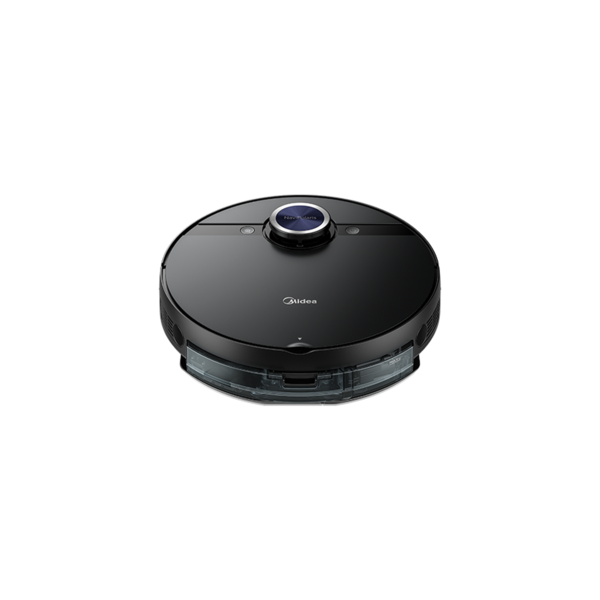
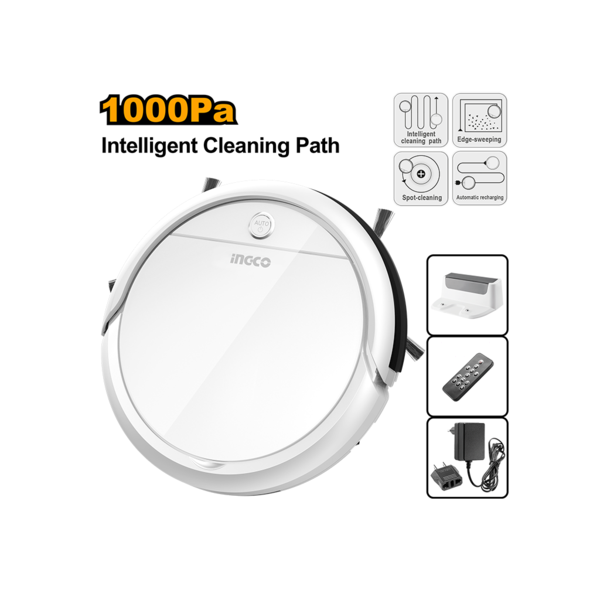


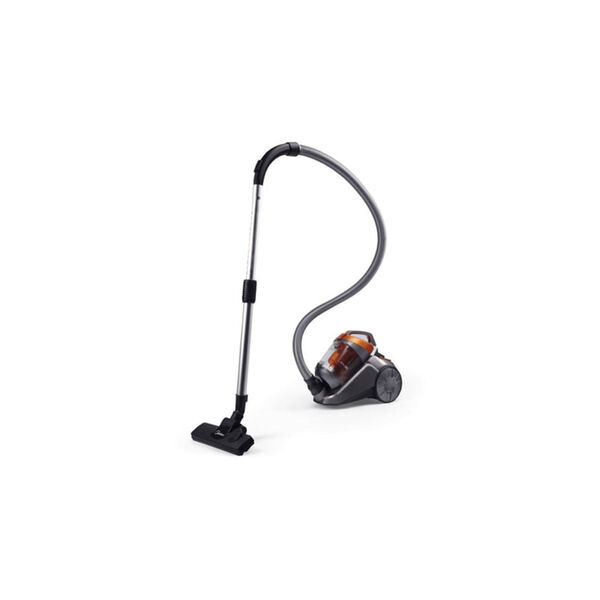
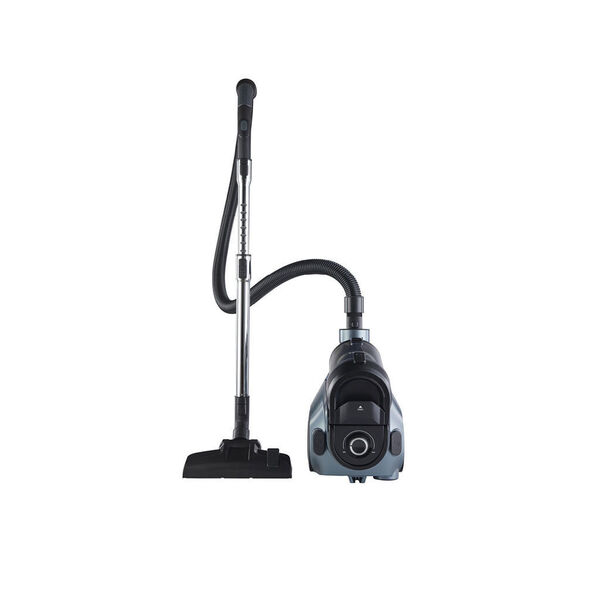

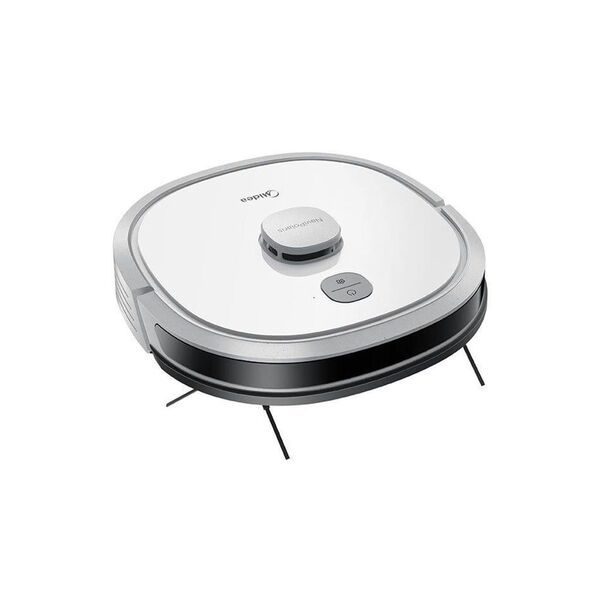
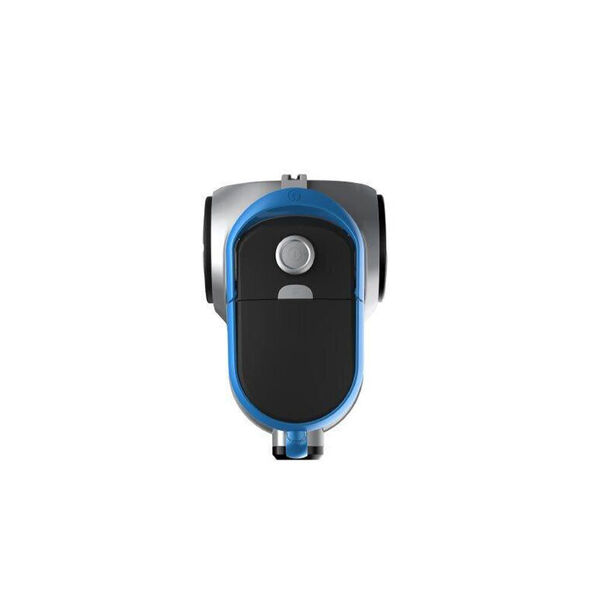
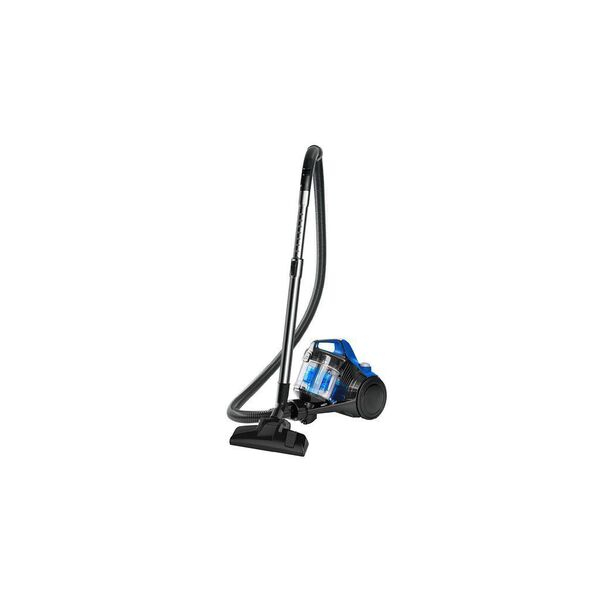

When choosing a vacuum cleaner, one of the most common mistakes is focusing on power alone. In day-to-day use, the machine’s specifications, dustbin capacity, maneuverability, and the size of the area to be cleaned matter just as much. NOVA’s range includes traditional, robot, cordless, portable, and car vacuums. Rather than trying to find one model for every situation, it makes more sense to start with the way the vacuum will actually be used.
What Makes a Vacuum Cleaner Powerful?
Higher wattage does not automatically make a model better for every space. In a small apartment, for example, easy maneuvering and storage may matter more for everyday cleaning than a large dustbin. When comparing vacuums with other home appliances available at NOVA, it helps to look at power and capacity as separate factors. The first relates to how the machine operates, while the second affects how often the container needs to be emptied.
Robot, Cordless, or Corded: Which Type Fits the Routine?
Robot vacuums are especially useful for routine floor care when cleaning is a frequent part of the day. Cordless and handheld vacuums are better suited to quick jobs, such as picking up crumbs in the kitchen or dust in a hallway. In everyday household routines, washing machines and cleaning appliances often form part of the same overall workload. A traditional corded model, on the other hand, removes the need to think about battery runtime during longer cleaning sessions.
Why Dustbin Capacity Matters
Dustbin size does not determine suction power. Its main effect shows up during use: a larger capacity means less frequent emptying, while a smaller bin keeps the machine more compact. NOVA’s range includes models with several different capacities, from smaller options to considerably larger ones. During renovation work, planning renovation materials online and post-work cleanup at the same time makes it clear that dustbin size alone is not enough to judge a model.
When Do Portable, Car, and Construction Models Make Sense?
Inside a car, the main drawback of a large vacuum is often its size rather than its power. A compact body is easier to work with between seats, around the footwells, and near small storage compartments. Portable vacuums are judged by much the same principle: mobility is usually the priority. In a garage or utility area where pumps and other equipment are stored, the size of the machine and the space needed to store it are worth considering in advance. It is also important to check what a particular vacuum is designed for, since not every household model is intended for construction dust.
What Else Should You Check Before Buying?
When budget matters, looking for affordable vacuum cleaners should not simply mean chasing the lowest price. It is more useful to compare the type, power, and dustbin capacity of models within the same price range. If a vacuum cleaner is on sale, the discount matters most when the model’s specifications also match the job it needs to do. That way, price stops being the only filter and the actual value of the offer becomes easier to judge.
A more useful comparison comes from looking at three things together: where the machine will be used, how often it will need to run, and how much storage space it will take up. When setting up a home, space for system equipment such as central heating boilers is often planned in advance, and the same approach works well for cleaning equipment.
For everyday floor care, a robot model may make more sense; for quick spot cleaning, a cordless or portable option may be more practical; for a car, a compact car vacuum; and for construction dust, a construction vacuum. This way, technical specifications serve a clear purpose instead of turning the choice into a simple comparison of numbers.