


 Roof catalog
 Manual
 Betek catalog




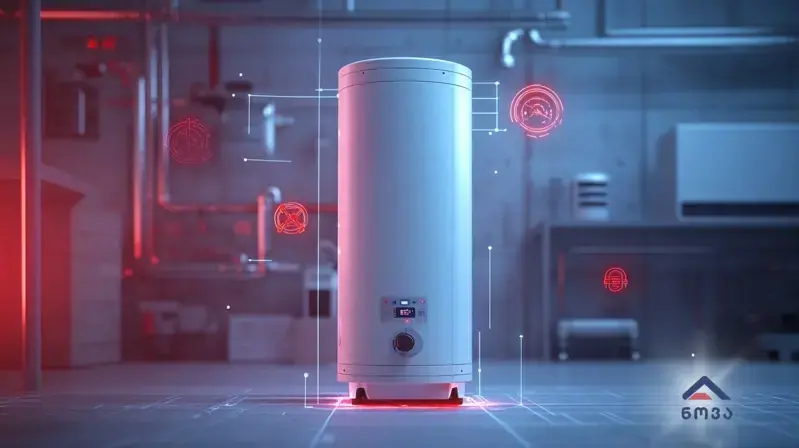
Why is it important to understand water heater safety rules? A water heater operates at high temperatures, under pressure, and uses either electricity or natural gas. Improper installation or use can lead to serious issues - from water leaks to more dangerous hazards.
In this guide, we will share essential information on:
How to use a water heater safely
How to identify potential problems
How to act in emergency situations
Water Heaters - Types and Key Differences
When choosing a water heater, the first decision is between electric and gas models. Each type has its own advantages and specific safety requirements that every user should understand.
Electric Water Heater
Electric water heaters are among the most common household appliances, especially in smaller apartments. Their main advantage is that they do not require a special ventilation system and can be installed in almost any space. However, safety considerations are crucial - proper grounding and an adequately powered electrical system are essential for safe operation.
Gas Water Heater
Gas water heaters are often a more economical option, but they require greater attention to safety. Proper ventilation is the most critical requirement. The combustion process produces carbon monoxide, which is dangerous and must be properly vented outside.
A dedicated ventilation pipe is necessary to remove combustion gases. It is also recommended to install a gas detector that alerts you in case of a leak.
For both types, choosing the right installation location is important. The unit should be placed in a protected area, safe from leaks and mechanical damage.
A water heater must always be installed by a qualified professional. This is not a device for DIY installation, as improper setup can lead to leaks, fire hazards, or other serious risks.
Daily Monitoring
Regularly check:
Water pressure - sudden changes may indicate scale buildup, thermal expansion issues, or a faulty pressure relief valve
Unusual noises - may signal worn components, overheating, or air in the system
Signs of leakage around the unit or pipes - often caused by corrosion, improper installation, worn connections, or excessive pressure
For gas water heaters, also monitor:
Gas smell - may indicate leaks or damaged connections
Flame color (should be blue, not yellow) - color changes indicate incomplete combustion or low oxygen levels
Smell of smoke or soot - may signal poor ventilation or burner issues
Warning Signs - Detect Problems Early
Most water heater issues show warning signs before becoming serious. Recognizing these signs early helps prevent major damage.
Electric Heater Warning Signs
Unusual noises such as buzzing, clicking, or vibration may indicate worn parts or mineral buildup.
Fluctuating water temperature is another concern. If water is sometimes too hot and other times not heating at all, it may point to a faulty thermostat.
Leaks around the heater or pipes require immediate attention, as they can lead to electrical hazards.
Gas Heater Warning Signs
A gas smell is the most serious warning sign. If detected, turn off the heater immediately, open windows, and contact gas services.
Changes in flame color are critical indicators. A healthy flame is blue, while yellow or orange flames suggest incomplete combustion and potential carbon monoxide risk.
Condensation on walls or windows may indicate poor ventilation.
Emergency Situations and Response
Even though water heaters are generally reliable, emergencies can still occur. Knowing how to respond is essential for your safety.
Electric Heater Emergencies
In case of a water leak, especially in a bathroom, the first step is to turn off the electricity. Always know the location of your main circuit breaker. Only after cutting power should you shut off the water supply. Never touch the heater or water until you are sure the electricity is off.
If you smell burning or see smoke, turn off the heater immediately. This may indicate electrical insulation failure. Do not attempt to restart it - contact a specialist.
Gas Heater Emergencies
If there is a gas leak:
Immediately shut off the main gas valve
Do not turn any electrical devices on or off, as sparks can cause an explosion
Open windows and doors to ventilate the area
Evacuate all occupants from the building
When to Call a Specialist
You should contact a qualified professional whenever you notice:
Gas smell
Water leaks
Water not heating or overheating
Unusual noises
Timely intervention helps prevent serious problems and ensures safe and efficient operation.
Preventive Maintenance and Seasonal Preparation
Regular maintenance is essential for long-term performance and safety.
Preparing for Winter
If the heater is located in an unheated space such as a basement or balcony, protect it from freezing. Insulate pipes if necessary, as frozen pipes can burst and cause severe damage.
During Long Absences
If you leave your home for several days, especially in winter:
Set electric heaters to a minimum temperature
Turn off gas heaters and shut off gas supply
Regular Inspection
At least once a year, a full inspection should be performed. A specialist will check safety valves, thermostat function, pump condition, and clean accumulated scale. For electric heaters, checking and replacing the anode is particularly important.
Water Quality Monitoring
If your area has hard water, consider installing filters or performing more frequent cleaning. Mineral buildup reduces efficiency and increases energy consumption.
Drain a small amount of water monthly from the bottom valve to remove sediment and check water quality.
Energy Efficiency
Regular maintenance not only ensures safety but also improves efficiency. A clean, well-maintained heater consumes less energy, reducing utility costs.
Proper care and adherence to safety rules are essential for your family’s comfort and safety. Never delay contacting a specialist if you suspect a problem.
Why Choose a Water Heater from Nova?
The construction and renovation materials store “Nova” offers a wide selection of energy-efficient and safe water heaters. Our showroom features models of various capacities, power levels, and designs tailored to individual needs.
Our advantages:
Energy efficiency - modern technologies ensure optimized electricity or gas consumption
Safety - all units meet international safety standards and include protective features
Quality - durable materials ensure long-term performance
Variety - electric, gas, and hybrid models compatible with solar energy systems
Customer trust and personalized service are our priorities. Our consultants are ready to help you choose the ideal water heater and provide professional advice.
Don’t wait for the winter season - visit us today and choose high-quality, energy-efficient water heaters and construction materials at the best prices.
Facts vs Myths
Myth 1: Installing a water heater yourself is common practice
Truth: Installation must be done by a qualified professional to avoid serious risks
Myth 2: Regular maintenance is not necessary
Truth: Maintenance is essential for safety and longevity
Myth 3: Fluctuating water temperature is normal
Truth: It may indicate a faulty thermostat and requires professional inspection
Myth 4: Gas and electric heaters require the same safety rules
Truth: While both require safety measures, electric heaters focus on electrical safety (grounding), while gas heaters require proper ventilation and fire safety precautions