



 Roof catalog
 Manual
 Betek catalog




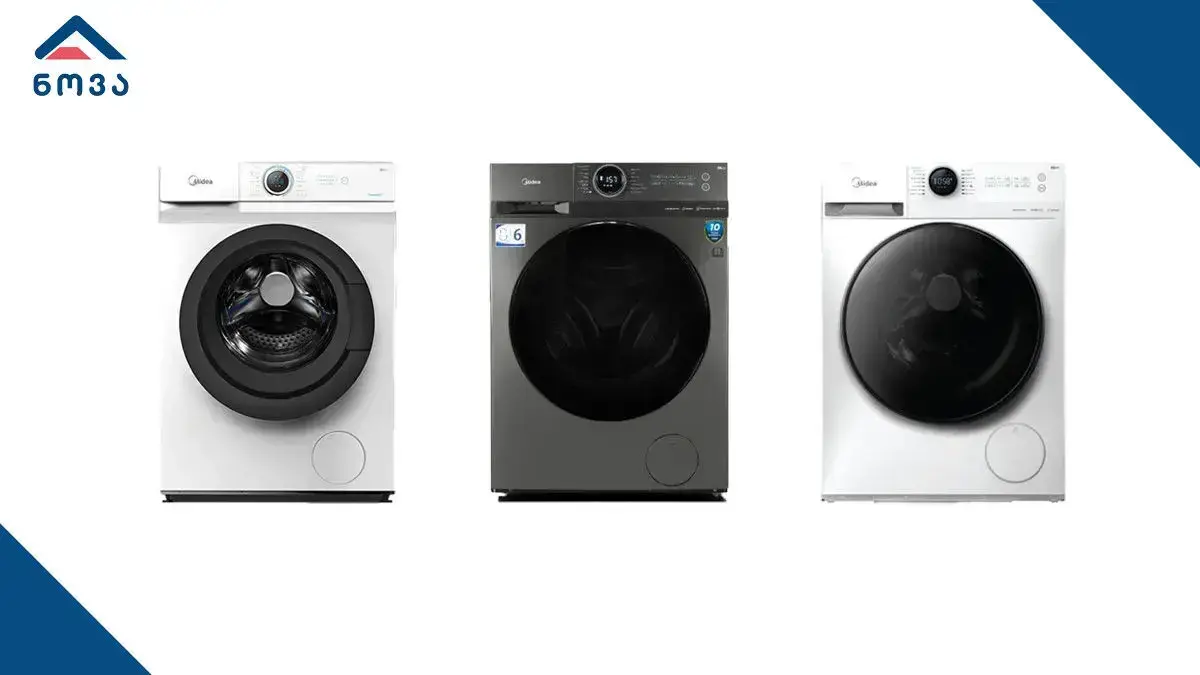
The rapid development of technology has created a wide variety of washing machines on the market, which can often be confusing for consumers. How do you choose the best washing machine? What factors should you consider? This detailed guide will help you find the answers.
Assessing Your Needs and the Importance of Capacity
The first step in choosing a washing machine is understanding your household size and laundry needs. Capacity, measured in kilograms, determines how much laundry can be washed in one cycle.
For 1–2 people, a 5–6 kg model is ideal. It’s sufficient for daily clothing and bedding while keeping water and energy usage efficient.
For 3–4 people, a 7–8 kg machine is more practical, allowing you to wash the entire household’s laundry in one cycle.
For larger families (5+ members), a 9 kg or higher capacity is recommended. These models can handle bulky items like blankets and jackets with ease.
Energy Efficiency and Savings
Energy efficiency is a key factor when choosing a modern washing machine. Models rated A++ or A+++ are the most economical. They not only reduce environmental impact but also lower long-term utility costs.
For example, an A+++ machine can use up to 30% less energy than an A-rated model. Water consumption is also important - efficient machines use around 50 liters per cycle, compared to approximately 70 liters for standard models.
Performance and Comfort: Spin Speed and Noise Level
Spin speed determines how dry your clothes will be after washing. The optimal range is typically 1200–1400 RPM. Higher speeds mean drier laundry, which is especially useful in winter or humid climates.
However, higher spin speeds can increase noise and may damage delicate fabrics. The ideal noise level for washing machines is around 70–77 dB. If noise is important, consider models with inverter motors or enhanced insulation, especially if the machine is near a bedroom.
Programs and Features for Versatility
Modern washing machines come with various programs designed for different fabrics and needs:
Cotton program - for towels, bedding, and everyday clothing
Synthetic program - for polyester and similar materials
Delicate program - for silk, wool, and sensitive fabrics
Quick wash - for lightly soiled clothes
Eco mode - for energy-efficient washing
Additional features enhance convenience:
Steam washing - removes allergens and improves hygiene
Pre-wash - ideal for heavily soiled items
Delayed start - lets you schedule washing cycles
Add laundry feature - allows adding clothes mid-cycle
Wi-Fi control - enables remote operation via smartphone
Design and Size: Practicality Meets Aesthetics
Front-loading washing machines are the most common type. They are energy-efficient, have larger capacities, and allow stacking with dryers. They are available as built-in or freestanding models.
Top-loading machines are ideal for small spaces. They are compact, easier to load (no bending required), and often allow adding laundry during the cycle. However, they usually have smaller capacities.
Standard dimensions are:
Height: 85 cm
Width: 60 cm
Depth: 60 cm
Compact models (35–55 cm wide) are also available for smaller apartments or limited spaces.
Washing Machines at “Nova”
“Nova” offers a wide selection of high-quality washing machines with advanced technologies. The range includes models from 6 kg to 8 kg capacity, suitable for different household sizes.
These machines feature A++ and A+++ energy ratings, helping reduce electricity costs. With 14–15 washing programs, they cover everything from everyday fabrics to delicate materials.
Advanced features such as steam cleaning, air refresh technology, and Wi-Fi control make laundry easier and more efficient.
Whether you need a compact model for a small apartment or a multifunctional machine for a large family, “Nova” provides options tailored to your needs.
Final Thoughts
Choosing a washing machine is an important decision that impacts your daily life and budget. Consider your household size, available space, energy efficiency, and specific needs.
Investing in a high-quality washing machine is more beneficial in the long run than choosing a cheaper, lower-quality option. A good machine saves time, energy, and maintenance costs while making your everyday life more convenient.