



 Roof catalog
 Manual
 Betek catalog




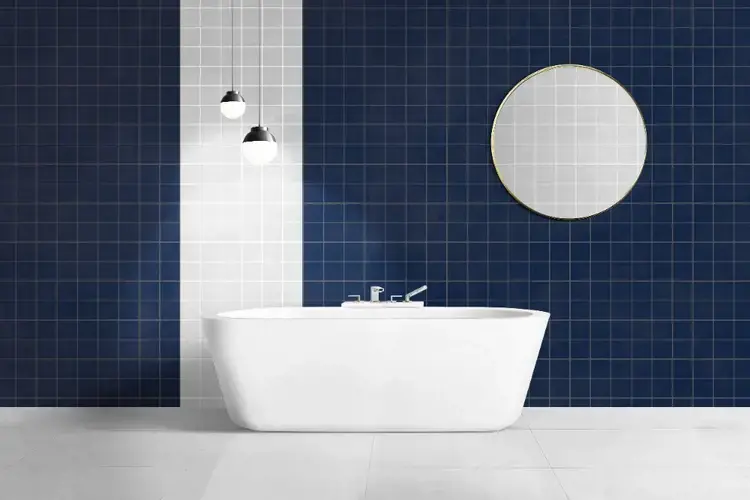
Today, the bathroom is no longer just a functional space - it has become one of the most important parts of a modern home, where the day begins and ends. Contemporary interior design trends emphasize the importance of thoughtful and detailed planning of this space.
In this guide, we share professional tips to help you create the perfect bathroom. We will cover all the key aspects:
How to plan the space efficiently
How to choose a style that reflects your personal taste
How to select high-quality sanitary ware and materials
How to design bathroom lighting and ventilation
Whether you have a small or large space, and whether you prefer a minimalist or classic bathroom interior, this guide will help you make informed decisions and create a bathroom that perfectly suits your needs and style.
Planning Basics - The Path to the Perfect Bathroom
The first and most important stage in bathroom design is proper planning. It is the foundation for creating a functional space.
Evaluating and Measuring the Space
The first step is a detailed assessment of the room. Accurate measurements - length, width, and height - are essential. Pay special attention to the placement of doors and windows, as well as existing utilities. Knowing the layout of water supply and drainage pipes, as well as electrical points, is crucial for proper planning. It is recommended to create a scaled drawing of the space to better visualize its potential.
Defining Functional Zones
A modern bathroom typically includes several key zones. The shower or bathtub area, often the central element; the sanitary zone with a toilet and possibly a bidet; the hygiene area with a sink and mirror; and the storage zone with cabinets and shelves. Each zone should be logically arranged and adapted to the user’s daily routine.
Ergonomic Principles
Ergonomic planning ensures that all elements are easily accessible. There should be at least 60 cm of free space in front of the toilet, and at least 70 cm width near the sink. The minimum size for a shower cabin is 80x80 cm, while a standard bathtub is 170x70 cm. The direction in which doors open is also important and should not hinder movement.
Practical Solutions
For small bathrooms (4-5 m²), compact sanitary solutions are ideal. Wall-mounted toilets and shower cabins instead of bathtubs save space significantly. A mirrored cabinet can serve multiple functions at once. In larger bathrooms (8+ m²), you can explore more advanced solutions - separate shower and bathtub areas, double sinks, additional storage, and even integrated washing machines.
Choosing a Style - Your Bathroom’s Unique Character
Selecting a bathroom style is not just an aesthetic choice - it reflects your personality and lifestyle. Let’s explore popular styles and their key features.
Modern Minimalism
Minimalist bathrooms are defined by simplicity. Clean lines, smooth surfaces, and neutral colors create a calm and uncluttered environment. White, grey, and black tones dominate, while texture is introduced through materials like glass, chrome, and matte finishes.
Classic Elegance
Classic style combines tradition with modern comfort. It features warm tones, decorative elements, and wooden accents. You will often see patterned tiles, ornate mirrors, and retro-style fixtures.
Scandinavian Simplicity
This style blends functionality with natural beauty. Light colors, natural materials, and minimal details create a cozy and clean space. Wood elements, white walls, and greenery are essential components.
Industrial Charm
Industrial style is becoming increasingly popular. Raw concrete, exposed pipes, metal elements, and darker tones create a unique urban atmosphere. It works especially well in high-ceiling spaces and loft-style interiors.
How to Choose the Best Style
Consider your home’s overall design - your bathroom should be in harmony with the rest of the interior. Also think about space size and lighting. Small bathrooms benefit from light colors and minimalism, while larger spaces allow for bolder design choices.
Remember, the best design is one that reflects your taste and meets your daily needs.
Functional Elements - Practical Solutions for a Comfortable Bathroom
Choosing the right functional elements is essential for both aesthetics and practicality.
Bathtub or Shower Cabin?
This is one of the first key decisions. Bathtubs are great for relaxation and are especially convenient for families with young children. Modern bathtubs are often made of high-quality acrylic, making them easy to maintain.
Shower cabins, on the other hand, save space and water. Modern systems include rain shower heads, hydromassage features, and temperature control systems.
Sink - Practicality and Style
Sinks vary in size and installation type:
Wall-mounted sinks save space
Cabinet-mounted sinks provide extra storage
Built-in sinks offer a minimalist look
Storage Solutions
Well-planned storage keeps the bathroom organized. Mirrored cabinets combine two functions and are ideal for small spaces. Tall cabinets maximize vertical space, while open shelves are perfect for towels and decorative items.
Lighting and Ventilation
A well-designed lighting system combines:
General ceiling lighting
Task lighting near the mirror
Decorative lighting for ambiance
Effective ventilation is essential for moisture control and preventing mold.
Materials and Colors - The Secret to Perfect Harmony
The right materials and colors determine not only the visual appeal but also durability and ease of maintenance.
Wall and Floor Finishes
Ceramic and porcelain tiles are among the most popular choices due to their water resistance, durability, and easy maintenance. Large tiles visually expand the space, while mosaic tiles allow for unique accents.
Natural stone such as marble, granite, or quartz adds a luxurious feel, but requires regular maintenance and waterproof treatment.
Choosing Color Schemes
Consider space size and natural light. White and light tones make the space feel larger and brighter, while darker tones create a more dramatic effect. A practical approach is the 60-30-10 rule:
60% main color (usually neutral)
30% secondary color for contrast
10% accent color for highlights
Textures and Contrast
Combining textures adds depth and character. Mixing glossy and matte surfaces, pairing ceramics with wood, or adding metal accents creates a visually engaging composition. A popular trend is combining natural and industrial materials, such as concrete floors with wooden elements.
Durability and Practicality
Always choose materials that can withstand high humidity. Waterproof and antibacterial treatments are highly recommended. Modern technologies like CeramicPlus make surfaces easier to maintain and preserve their appearance over time.
Safety in the Bathroom - Creating a Secure Space
Bathrooms are one of the most sensitive areas in terms of safety. High humidity and wet surfaces increase the risk of slipping and injury, so safety must be a priority.
Proper flooring is the first line of protection. Modern tiles with anti-slip surfaces maintain sufficient friction even when wet. This is especially important in shower areas and near bathtubs. Additional safety can be ensured with mats in critical areas.
Additional safety measures:
Waterproof electrical outlets with protective covers
Properly installed ventilation systems to reduce moisture
Clearly defined level differences, if any
Integrating safety features does not mean compromising aesthetics.
In conclusion, designing a bathroom is a complex process that requires careful planning. Start with accurate measurements and zoning, then move on to style selection. Choose quality materials and pay special attention to waterproofing and ventilation - these factors determine durability.
Bathroom renovation is an investment in your daily comfort. The “Nova” team is ready to provide professional consultation and offer the best solutions for your ideal bathroom.